INNOVATION
Electric Planes Just Pulled Off a Reality Check
An electric aircraft’s smooth landing at Seattle’s Boeing Field marks a real test of net zero flight
17 Dec 2025
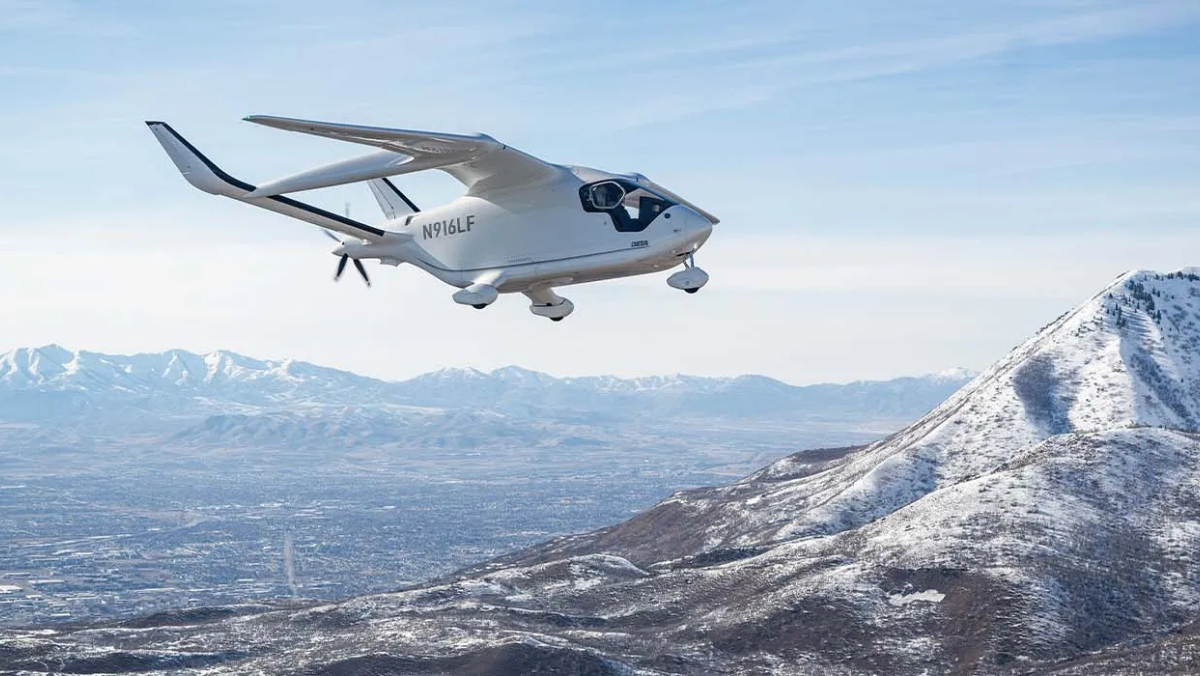
A quiet arrival at Boeing Field in Seattle recently offered a glimpse of how electric aviation could fit into the nation’s busiest airspace. When a battery-powered aircraft landed at the active airport during a public demonstration, it showed that electric flight can operate within standard airport traffic, a milestone for an industry seeking to cut emissions without disrupting existing systems.
The flight, conducted amid routine operations, followed normal air traffic control procedures and used existing runways alongside conventional aircraft. For aviation, where new technologies are typically tested far from commercial hubs, the setting mattered as much as the aircraft itself. The demonstration addressed a central question for airlines, regulators and airport managers: whether electric aircraft can safely and predictably share space with traditional planes.
BETA Technologies, which carried out the flight, described it as an operational exercise rather than a showcase. Company officials said the aim was to demonstrate repeatable performance under real-world conditions. Analysts noted that such demonstrations at active airports carry greater weight than isolated test flights, offering practical insight into how electric aircraft might eventually be integrated into daily operations.
The timing reflects mounting pressure on the aviation sector. Airlines and cargo operators are confronting volatile fuel prices alongside intensifying demands to reduce greenhouse gas emissions. Battery-electric aircraft, particularly on short routes, are seen as a potential solution, promising quieter operations and lower operating costs. Industry observers often cite short-haul cargo runs, medical transport and regional passenger flights as likely early adopters once regulatory approvals are secured.
Federal regulators are closely involved. The Federal Aviation Administration has yet to complete certification pathways for fully electric aircraft and has emphasized the need for operational data gathered in realistic settings. Flights at busy airports can provide information on safety, noise levels and ground handling, factors the agency has said will inform its regulatory decisions without compromising standards.
Interest across the sector continues to expand. Companies including Joby Aviation are advancing development programs, while airports and utilities are beginning to plan for charging infrastructure. Technical hurdles remain, from battery capacity to charging times, but the Seattle landing suggested a shift in tone. Electric aviation is no longer confined to experimental airfields, and its next phase will be shaped by how quickly it can scale within the existing aviation system.
Latest News
17 Dec 2025
Electric Planes Just Pulled Off a Reality Check16 Dec 2025
GE and BETA Fuel Hybrid Leap in Green Aviation15 Dec 2025
Beta IPO Pushes Electric Aviation Into the Spotlight12 Dec 2025
Pilot Program Brings eVTOLs Down to Earth
Related News
INNOVATION
17 Dec 2025
Electric Planes Just Pulled Off a Reality Check

PARTNERSHIPS
16 Dec 2025
GE and BETA Fuel Hybrid Leap in Green Aviation
INVESTMENT
15 Dec 2025
Beta IPO Pushes Electric Aviation Into the Spotlight
SUBSCRIBE FOR UPDATES
By submitting, you agree to receive email communications from the event organizers, including upcoming promotions and discounted tickets, news, and access to related events.